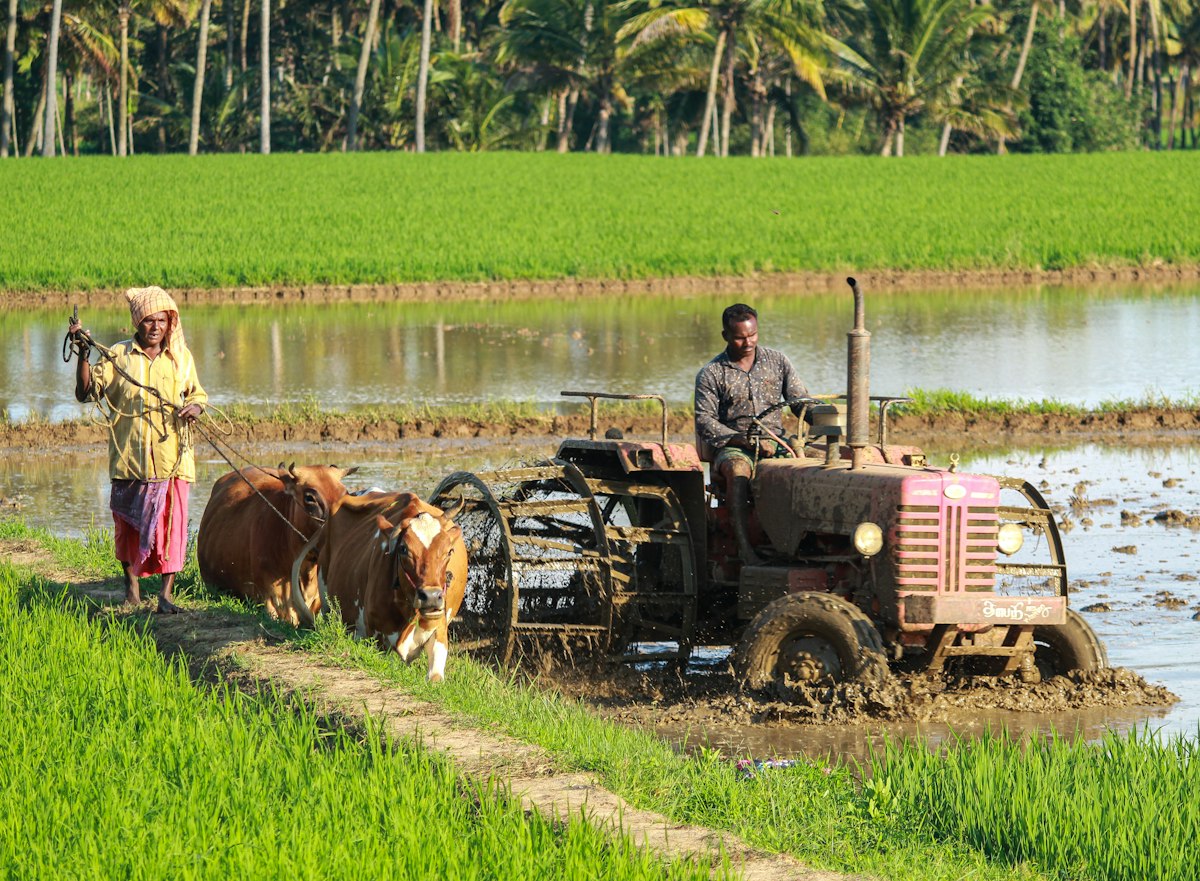
At the most recent SADC Ministerial Climate Forum, SACCN took center stage with a comprehensive advocacy presentation that challenged the gathered ministers and technical delegates to confront an often-overlooked dimension of climate resilience: the right of smallholder farmers to control their own seeds.
The Seed Sovereignty Crisis
Across Southern Africa, traditional seed systems — built over millennia by farming communities through careful selection, exchange, and cultivation — are under threat. Commercial seed markets, intellectual property laws, and agrochemical dependency have eroded seed diversity at a time when the region needs it most. As climate change accelerates, the genetic diversity embedded in indigenous seed varieties represents an irreplaceable biological asset for food security.
"A farmer who cannot save her own seeds is not a farmer — she is a sharecropper of her own land. SACCN exists to ensure that does not happen to the women and men feeding Southern Africa." — Mr Guvava, SACCN
What SACCN Presented at the Forum
SACCN's delegation presented a three-part evidence package: a regional seed diversity assessment documenting over 340 indigenous crop varieties at risk of commercial displacement; community case studies from SeedForward's work in Zambia, Zimbabwe, and Malawi showing how community seed banks protect local food systems; and a draft Regional Seed Sovereignty Framework designed to guide SADC member states in policy harmonisation.
Policy Recommendations
SACCN called on SADC member states to: enshrine seed sovereignty as a fundamental right in national climate adaptation plans; establish legally protected community seed banks with public funding; reform intellectual property laws to explicitly exempt farmer-saved seeds from patent restrictions; and invest in participatory plant breeding programmes that combine traditional knowledge with modern agronomy.
Ministerial Response
The presentation generated significant discussion among the ministerial delegates. Several ministers acknowledged the link between seed diversity and climate resilience for the first time in a formal SADC policy context. SACCN is now engaged in follow-up technical consultations with three SADC member state governments to develop national seed sovereignty frameworks consistent with the regional recommendations.